Volkswagen Polo Service & Repair Manual: Two-Part Epoxy Primer Filler
| Two-Part Epoxy Primer Filler -LLS MAX 220 M1-, beige (250
ml) |
| Two-Part Epoxy Primer Filler -LLS MAX 220 M2-, beige (400
ml) |
| The Two-Part Epoxy Primer Filler -LLS MAX 220 M1/M2- is a
two-component epoxy spray can for use with small damaged areas.
Do not use in areas vulnerable to stone impact. |
| The EP primer filler must be protected by the trim panels,
body covers, wheel housing liners and UBS material in the
underbody area. All difficult to reach areas must be sealed with
wax underbody protection. |
| For work safety, wear appropriate, personal protective
equipment. |
| Can be used in a number of ways |
| Good corrosion protection |
| Cleaned and sanded, galvanized/electrolytically zinced sheet
steel or soft aluminum |
| Well-sanded old paint or factory paint |
| Original replacement primer, sanded |
| Cleaned and sanded UP-GF surfaces, free of separating agents |
| Surfaces prepared with two-part polyester products and then
sanded very fine. |
|
|
|
| Pre-treatment of base surfaces: |
| – |
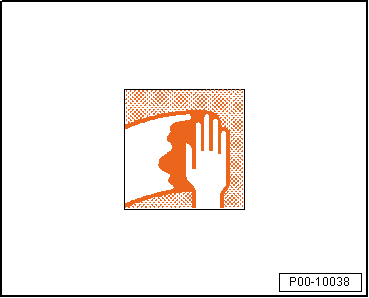
Carefully clean using Silicone Remover -LVM 020 000 A5- or
Silicone Remover, Long -LVM 020 100 A5-. |
|
|
|
| – |
Use a suitable cleaning agent before reworking to ensure a
clean and residue-free surface. |
 Caution
| The Two-Part Epoxy Primer Filler -LLS MAX 220 M1/M2-
may not be applied to PVB (acid-hardening) adhesive
primers or one-part primers (for example, synthetic
resin). |
|
|
|
|
| – |
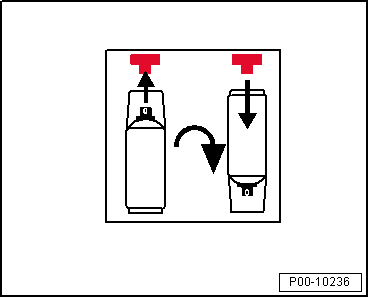
Remove the red push button on the cap and set it on the
valve for the hardener mixture on the bottom of the can. |
|
|
|
| – |
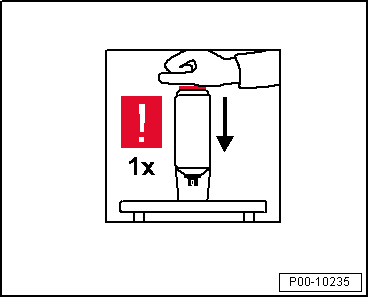
Press in the valve for the hardener mixture. Make sure when
pressing down the valve for the hardener mixture that the can is
upside down. |
|
|
|
| – |
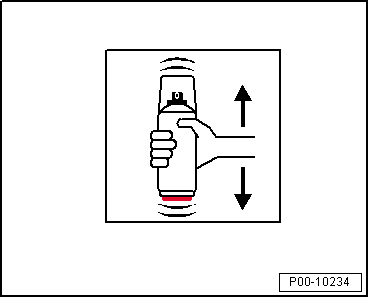
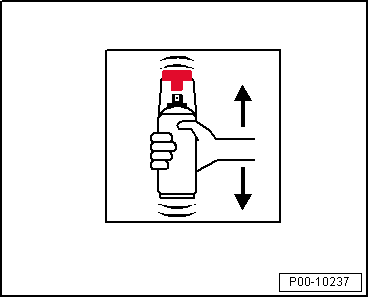
Shake the can thoroughly for two minutes. |
|
|
|
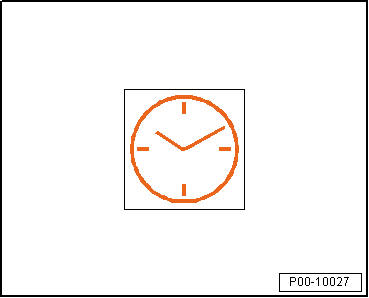
| Processing time/pot life: |
| – |
Eight hours at +20 °C (68 °F) |
|
|
|
| – |
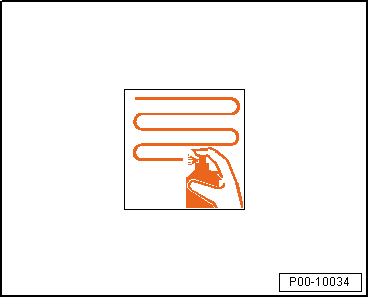
Apply two to three spray applications with a 5 to 10 minute
intermediate ventilation time. |
| – |
Maintain a distance of 20 to 25 cm. |
| – |
Minimum +15 °C (59 °F). |
| – |
The recommended dry layer thickness is between 50 and 70 µm. |
 Note Note
| If the spraying procedure is interrupted, make sure that the
valve above the spray head is empty to prevent any nozzle
blockage. |
|
|
|
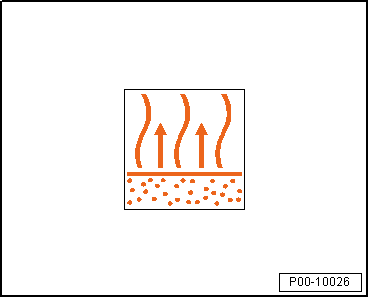
| The drying time with forced drying is at least 5 to 15
minutes. |
|
|
|
| Forced drying at +60 to 65 °C (140° to 149 °F) object
temperature is 40 to 45 minutes for a layer thickness of 50 to
70 µm. |
|
|
|
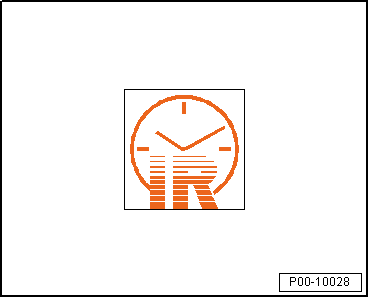
| The drying time for IR drying is a minimum of 10 to 20
minutes. |
|
|
|
| IR drying with a 50 to 70 µm layer thickness is 3 to 5
minutes with a short-wave heater at 50% power and then 15 to 20
minutes at 100% power. |
|
|
|
| – |
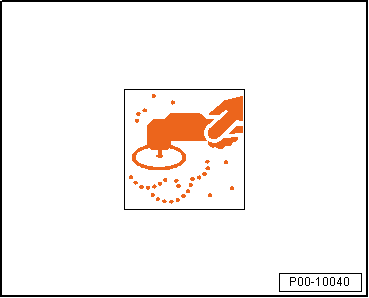
Dry-sand with rotary sander and dust extraction. P400-500
grit sandpaper |
|
|
|
| – |
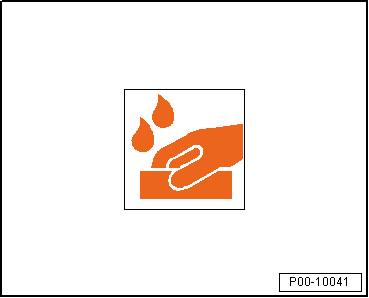
Wet-sand with P800-1000 grit sandpaper |
|
|
|
| VOC value: 2004/42/IIB(e)(840)650 |
The EU limit for this product
(product category IIB.b) in ready-to-use form is a maximum of 840 g/L
volatile organic compounds. The VOC-value of this product in
ready-to-use form is a maximum of 650 g/L. |
| The guaranteed shelf life of 36 months from date of
manufacture. Use no later than the date indicated on the label
and store in original container at +20 °C (68 °F). |
|
|
|
Definition:
Two-Part Clear Coat -LLS MAX 210-
Edition 12/2010
Product Description
...
Definition:
Two-Part Wash Primer -LLS MAX 230 M1-, olive green (250 ml)
Edition 12/2013
Product Descrip ...
Other materials:
One-Part Wash Primer
Definition:
One-Part Wash Primer -LLS MAX 106 M2-, light gray
One-Part Wash Primer -LLS MAX 107 M2-, dark gray
Edition 03/2013
Product Description
The ...
Charging, replacing, disconnecting and connecting the vehicle battery
First read and observe the introductory information
and safety warningsCharging the battery
The vehicle battery should be charged by a qualified workshop, as the technology
used in factory-fitted batteries requires voltage-limited charging . Volkswagen
recommends using a Volkswagen dealership ...
Introduction
This chapter contains information on the following subjects:
→ Fuses in the vehicle
→ Changing a blown fuse
At the time of print we are unable to provide an up-to-date overview of the
locations of the fuses for the electrical consumers. This is because the vehicle
is under co ...
© 2016-2026 Copyright www.vwpolo.net


 Two-Part Clear Coat
 Two-Part Wash Primer